






Owning a rental property in the San Francisco Peninsula, Bay Area, and surrounding communities means dealing with some of the highest rental property maintenance costs in the country. Between dense neighborhoods, coastal weather, older housing stock, and strict building regulations, the maintenance insurance upgrades landlords should budget for in San Francisco can be substantial. Smart property owners must understand how to budget for repairs and maintenance costs, anticipate unexpected expenses, and track ongoing rental property expenses to protect cash flow and long-term property value.
Below is a complete guide to managing property maintenance and operational costs, minimizing risk, and creating a realistic budget based on actual data, square footage rules, and local market conditions.
Key Takeaways
Maintenance expenses vary widely based on square footage, property age, and local climate.
Unexpected maintenance costs are inevitable—every landlord must maintain an emergency fund.
Insurance, legal fees, and capital expenditures are necessary expenses that directly impact cash flow.
Deferred maintenance can lead to more costly repairs, tenant turnover, and reduced property value.
Professional property management helps reduce operating expenses, improve financial statements, and manage repairs efficiently.
Understanding Rental Property Maintenance Costs in San Francisco
The Bay Area is known for high construction prices, competitive contracting labor, and strict permitting requirements. As a result, rental property maintenance costs here tend to be significantly higher per square foot than national averages.
For example:
Older single-family homes in San Francisco often require more ongoing upkeep due to age-related deterioration and normal wear and tear.
Multifamily properties may face greater waste management, pest control, and compliance expenses.
Coastal exposure increases the likelihood of HVAC system issues, corrosion, leaks, and more costly repairs.
Most property owners benefit from budgeting 1% to 4% of the property value annually for maintenance, though in San Francisco, many landlords exceed this range due to higher costs and costly repairs.
Rental Property Maintenance Expenses Every Landlord Must Plan For
Budgeting properly helps ensure the property remains safe, compliant, and attractive to potential tenants. Below are the outgoing expenses all landlords should budget for.
Routine Maintenance
Routine repairs protect the property’s structural integrity and reduce the risk of emergencies. These include:
HVAC maintenance and inspections
Air conditioning system servicing
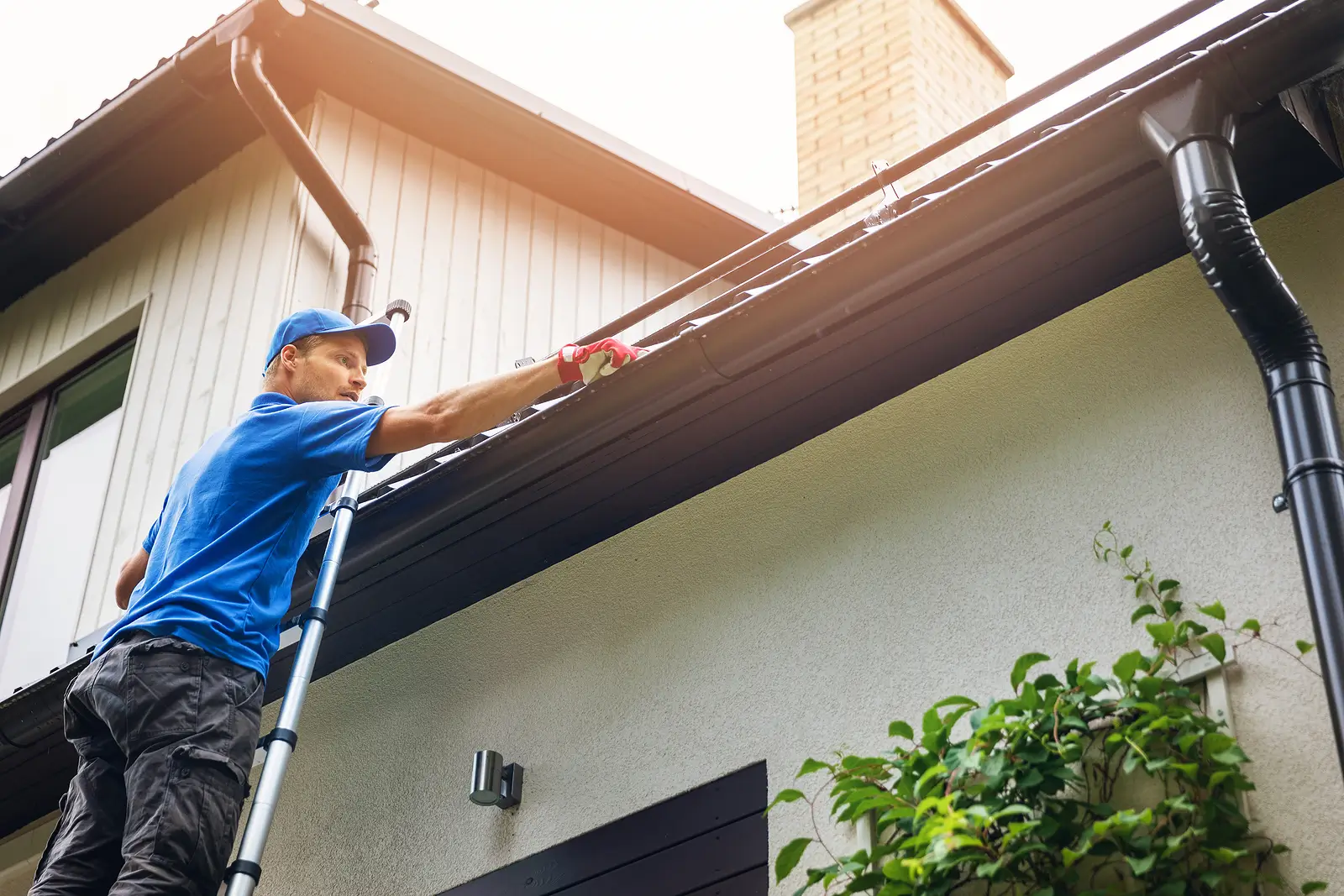
Gutter cleaning
Seasonal maintenance
Minor repairs resulting from normal wear
Ignoring these tasks leads to deferred maintenance, which almost always results in more costly repairs later.
Emergency Repairs
Even with the best planning, unexpected maintenance costs will occur. Common emergency repairs include:
Plumbing leaks
Power outages
Broken appliances
Storm damage
Sudden HVAC failure
Landlords should always maintain an emergency fund equal to at least one month’s rent or more for single-family rentals and proportionally higher reserves for multiple properties.
Pest Control
The Bay Area’s climate—and dense urban environment—requires regular pest management. Pest control should be included as a recurring budget item because rodents, ants, and termites can cause structural damage and lead to expensive remediation if ignored.
Waste Management & Environmental Compliance
For multifamily properties, costs related to waste management, recycling rules, and city-required services can add to operating expenses. San Francisco has strict mandates that property owners must follow and report.
Snow Removal (For Certain Surrounding Areas)
While San Francisco itself does not typically require snow removal, some surrounding communities at higher elevations may need periodic winter maintenance. This is especially relevant for landlords with multiple properties across varying microclimates.
Insurance, Legal Fees & Other Necessary Expenses
Beyond physical repairs, landlords must budget for additional necessary expenses that impact rental property finances.
Property Insurance & Liability Coverage
Insurance protects against fire, theft, structural damage, and liability claims. Landlords should confirm their policy adequately covers:
Earthquake damage (critical in the Bay Area)
Loss of rental income
Flooding or water intrusion
Tenant injury liability
These deductible expenses should be planned for in advance.
Legal Fees & Compliance Costs
Every Bay Area landlord must plan for:
Lease agreement updates
Legal consultation
Eviction protection
Local compliance filings
Processing fees for reporting rental income and property documentation
A qualified property manager or attorney ensures landlords remain compliant with local and state regulations.
Property Taxes & Mortgage Payments
Property taxes in California can be significant, especially for high-value properties. Combine this with mortgage payments, mortgage interest, and operating expenses, and it becomes clear that landlords must maintain a realistic monthly budget to keep cash flow positive.
Capital Expenditure (CapEx) & Long-Term Upgrades
Unlike routine maintenance, capital expenditure consists of long-lasting improvements that extend the property’s expected lifetime. These expenses tend to be the most significant but also protect and increase long-term value.
HVAC System Replacement
Replacing an outdated air conditioning or heating unit is expensive but essential for comfort, safety, and energy efficiency—especially in older Bay Area homes.
Roof Replacement
Roofs take a beating from coastal fog, moisture, and storms. Although they last decades, eventual replacement is unavoidable.
Kitchen & Bathroom Renovations
Updates to these spaces attract potential tenants, reduce tenant turnover, and increase monthly rental income.
Flooring & Exterior Improvements
Normal wear and exposure to moisture often require:
New flooring
Exterior painting
Foundation repairs
Window replacements
These upgrades significantly improve curb appeal and long-term durability.
How Kenny Realty Helps Landlords Manage Maintenance Costs
Managing ongoing maintenance expenses, tracking financial statements, and preventing costly issues is complex—especially when juggling multiple properties.
Kenny Realty supports property owners with:
Expense tracking and reporting
Preventative maintenance scheduling
Vendor oversight and repair coordination
Lease agreement support and legal compliance
Tenant communication and responsibility clarification
Transparent reporting of income and expenses
With a professional property manager, landlords can save money, reduce stress, and avoid the hidden costs of rental real estate.
FAQs About Budgeting Rental Property Expenses in San Francisco
1. How do I determine my annual maintenance budget for a San Francisco rental?
Most landlords follow the square footage rule or 1% to 4% of property value rule. However, Bay Area properties often require more due to high labor costs, aging buildings, and stricter regulations.
2. What expenses can I deduct on my tax return?
Common deductible expenses include mortgage interest, property taxes, insurance, repairs, property management fees, legal fees, and certain maintenance costs. Always consult a tax professional for accuracy.
3. Is the tenant responsible for any maintenance costs?
Tenants generally cover damages beyond normal wear and tear and may use their security deposit for certain repairs. However, landlords remain responsible for habitability and structural maintenance.
Creating a Smart Budget for Long-Term Success
A well-planned budget is essential for keeping your rental property profitable, safe, and appealing. By understanding the full range of rental property maintenance expenses, anticipating unexpected costs, and allocating funds for capital expenditure, landlords can maintain steady rental income and protect long-term property value.
Partnering with an experienced property manager like Kenny Realty ensures every aspect of property maintenance, expense tracking, and financial planning is handled with professionalism—giving you peace of mind and helping your property remain in top condition year after year. Contact us today!
 Evan has been in the real estate and property management field for 6+ years. He is experienced in working with first time home buyers, is an Accredited Buyer’s Representative (ABR®), Seller Representative Specialist® (SRS) and Seniors Real Estate Specialist®(SRES®). He also works closely with Kenny Realty owners, getting their rental properties rented as quickly as possible. Evan is responsible for monitoring rental market conditions and advising our owners on market rates. He has outstanding communication with all clients he works with, keeping everyone in the loop at all times. He is the third generation of the Kenny family to practice property management on the peninsula.