






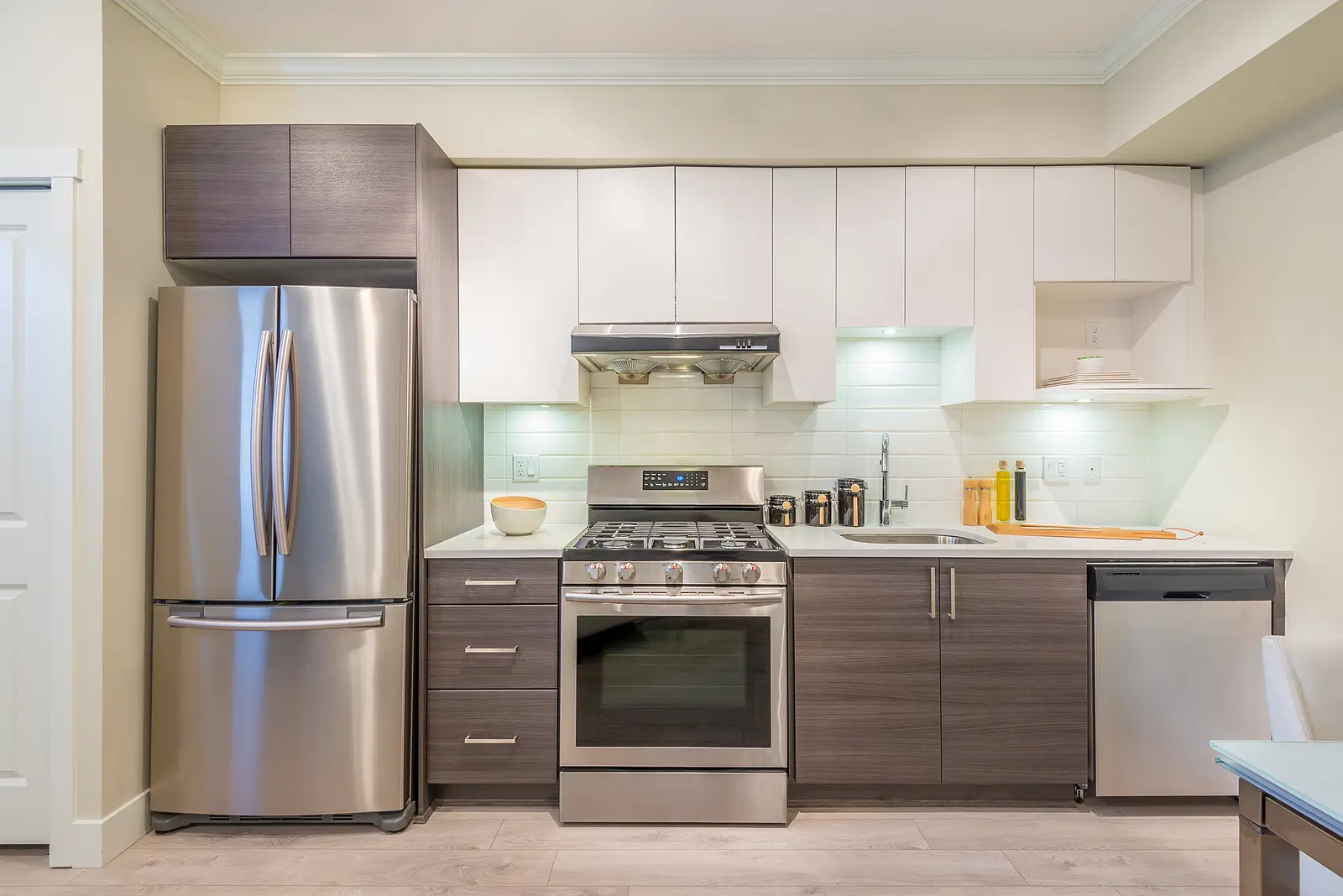
California’s rental landscape is shifting again, and this time the focus is squarely on essential appliances. Beginning January 1, 2026, a new state law will fundamentally change how landlords define and maintain habitable housing. AB 628 directly amends California Civil Code §1941.1, tying the presence and condition of kitchen appliances to the legal habitability standard for rental units across the state.
For California landlords, especially those operating rental properties in the San Francisco Peninsula, Bay Area, and surrounding communities, this is not a minor compliance update. It’s a structural change to landlord obligations that impacts leases, maintenance planning, budgeting, and tenant protections. At Kenny Realty, we’re already helping property owners prepare for what’s coming so they can stay compliant and avoid costly habitability claims.
Key Takeaways
Starting January 1, 2026, landlords must provide and maintain a working stove and refrigerator in most rental units
AB 628 amends Civil Code 1941.1, redefining what qualifies as habitable housing in California
Tenants may bring their own refrigerator, but this must be documented in clear lease language
The law applies to new, amended, or renewed leases beginning in 2026, not existing leases until renewal
Non-compliance can lead to rent withholding, repair-and-deduct claims, and increased legal exposure
California’s New Appliance Requirements for Rentals
Under AB 628, California law now explicitly requires landlords to provide stoves and refrigerators as part of a habitable rental unit. This marks a major expansion of landlord responsibilities under Civil Code §1941.1, which previously focused on utilities, weatherproofing, plumbing, and heating.
Starting January 1, 2026, a rental unit without a working stove and refrigerator is legally uninhabitable. This means appliance failures are no longer just maintenance issues; they are now habitability violations with direct consequences for rent, enforcement, and tenant rights.
The law applies broadly to most rental units, including single-family homes, apartments, and multi-unit properties throughout California.
AB 628 Explained: What California Landlords Must Provide Starting January 1, 2026
AB 628 mandates that landlords provide and maintain:
A working stove capable of safely generating heat for cooking
A working refrigerator capable of safely storing food at 40°F or below
These appliances are now classified as essential appliances under California law. Landlords must treat them with the same priority as plumbing, heating, or electrical systems.
Importantly, landlords are not required to provide:
Freestanding microwaves
Portable window AC units
Only the stove and refrigerator are covered by the new rule.
Which Leases Are Immediately Affected by California’s New Appliance Law?
The law applies to:
New leases
Amended leases
Renewed leases
Any lease that renews month-to-month
…on or after January 1, 2026.
Existing leases signed before that date are not affected until they are renewed or amended. However, landlords must audit their lease portfolios now to identify which units will be affected shortly after the law takes effect.
Failing to update leases at renewal could expose property owners to immediate non-compliance.
Can Tenants Bring Their Own Refrigerator Under AB 628?
Yes, but with strict rules.
AB 628 allows tenants to bring their own refrigerator, but:
The agreement must be in writing
It must be clearly documented in the lease
The landlord cannot require tenants to provide their own refrigerator as a condition of lease signing
If a tenant opts to use their own refrigerator, the landlord is not responsible for maintaining or replacing that appliance. However, landlords remain responsible for any appliance they provide.
Clear lease language is critical here. Vague or verbal agreements will not protect landlords from habitability claims.
Housing Types and Exceptions: When AB 628 Does Not Apply
While the law applies to most residential rental properties, exceptions exist. AB 628 does not apply to:
Permanent supportive housing
Assisted living facilities
Residential hotels
Single room occupancy (SRO) units
Properties with communal kitchens or shared cooking areas
These housing types fall outside the scope of the new appliance requirements due to their unique structure and regulatory frameworks.
Manufacturer Recalls and the 30-Day Rule
If a landlord receives notice that a stove or refrigerator is subject to a manufacturer's recall, AB 628 requires action within 30 days.
Landlords must:
Repair or replace the recalled appliance
Restore compliance within the 30-day window
Failure to act can immediately trigger habitability violations and tenant remedies.
Habitability Claims, Rent Withholding, and Tenant Rights
By tying appliance function directly to habitability, AB 628 expands tenant protections significantly.
If landlords fail to comply, tenants may:
Withhold rent
File repair-and-deduct claims
Use non-compliance as a defense against eviction
Pursue legal remedies for breach of the implied warranty of habitability
A landlord who refuses or delays appliance repairs risks exposure to claims equal to a month’s rent or more, plus potential penalties.
Financial and Operational Impact on California Property Owners
The implementation of AB 628 represents a substantial financial shift for landlords.
Property owners must now:
Establish dedicated reserves for appliance replacement
Budget for long-term appliance lifecycle management
Implement routine appliance inspections
Shift from reactive repairs to preventative maintenance
Landlords may charge higher rent to offset these costs, but all rent increases must comply with California rent control and notice laws, including local regulations in areas like San Diego and the Bay Area.
How Kenny Realty Helps Landlords Stay Compliant
At Kenny Realty, we help landlords stay ahead of changing California rent laws by:
Auditing appliance condition across rental units
Implementing routine maintenance schedules
Revising lease documents to meet AB 628 standards
Ensuring clear documentation for tenant-provided appliances
Reducing exposure to habitability claims and rent disputes
Our property managers understand how state law, local regulations, and real-world operations intersect — especially in high-regulation markets across the San Francisco Peninsula and Bay Area.
Frequently Asked Questions About AB 628
Does AB 628 apply to existing leases?
No. Existing leases signed before January 1, 2026 are not affected until they are renewed or amended.
Can landlords require tenants to bring their own refrigerator?
No. Tenants may agree to provide their own refrigerator, but landlords cannot make this a condition of the lease.
Are landlords responsible for tenant-provided appliances?
No. If the lease clearly documents that the tenant provides their own refrigerator, the landlord is not responsible for its maintenance or replacement.
Preparing for California’s New Appliance Requirements
AB 628 redefines what it means to offer habitable housing in California. By mandating working stoves and refrigerators, the state has elevated appliance maintenance from a convenience issue to a legal obligation.
For landlords, preparation is key. Reviewing leases, budgeting for appliance upgrades, and implementing proactive maintenance strategies now can prevent disputes, financial losses, and legal exposure later.
If you own rental property in the San Francisco Peninsula, Bay Area, or surrounding communities, Kenny Realty is here to help you navigate California’s new appliance requirements and stay compliant in 2026 and beyond.
For more information on keeping your property in optimal condition, check out these preventative maintenance tips to avoid costly repairs. Contact us today!
 Evan has been in the real estate and property management field for 6+ years. He is experienced in working with first time home buyers, is an Accredited Buyer’s Representative (ABR®), Seller Representative Specialist® (SRS) and Seniors Real Estate Specialist®(SRES®). He also works closely with Kenny Realty owners, getting their rental properties rented as quickly as possible. Evan is responsible for monitoring rental market conditions and advising our owners on market rates. He has outstanding communication with all clients he works with, keeping everyone in the loop at all times. He is the third generation of the Kenny family to practice property management on the peninsula.